Long-form narratives from researchers embedded in communities across the world — exploring how people live, what they believe, and how they're changing.

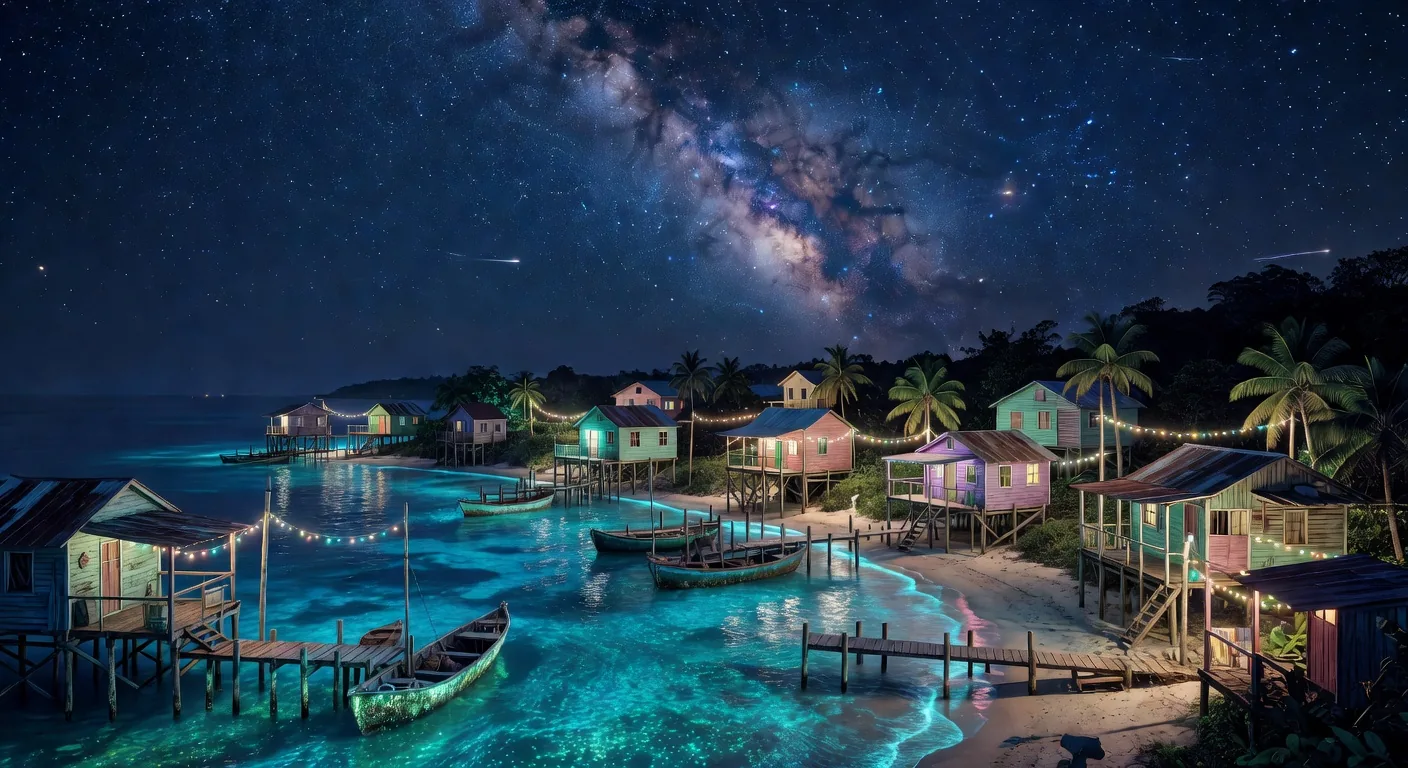
For centuries, the Bajau people of Southeast Asia have lived on boats and beneath the ocean, free-diving to depths of 60 meters without equipment. Recent research has revealed they've actually evolved larger spleens for extended dives. We spent six weeks with the Bajau of the Celebes Sea to understand what this extraordinary adaptation means for their identity, and how modernization is threatening the only truly sea-nomadic culture left on Earth.
Read the Full Story →
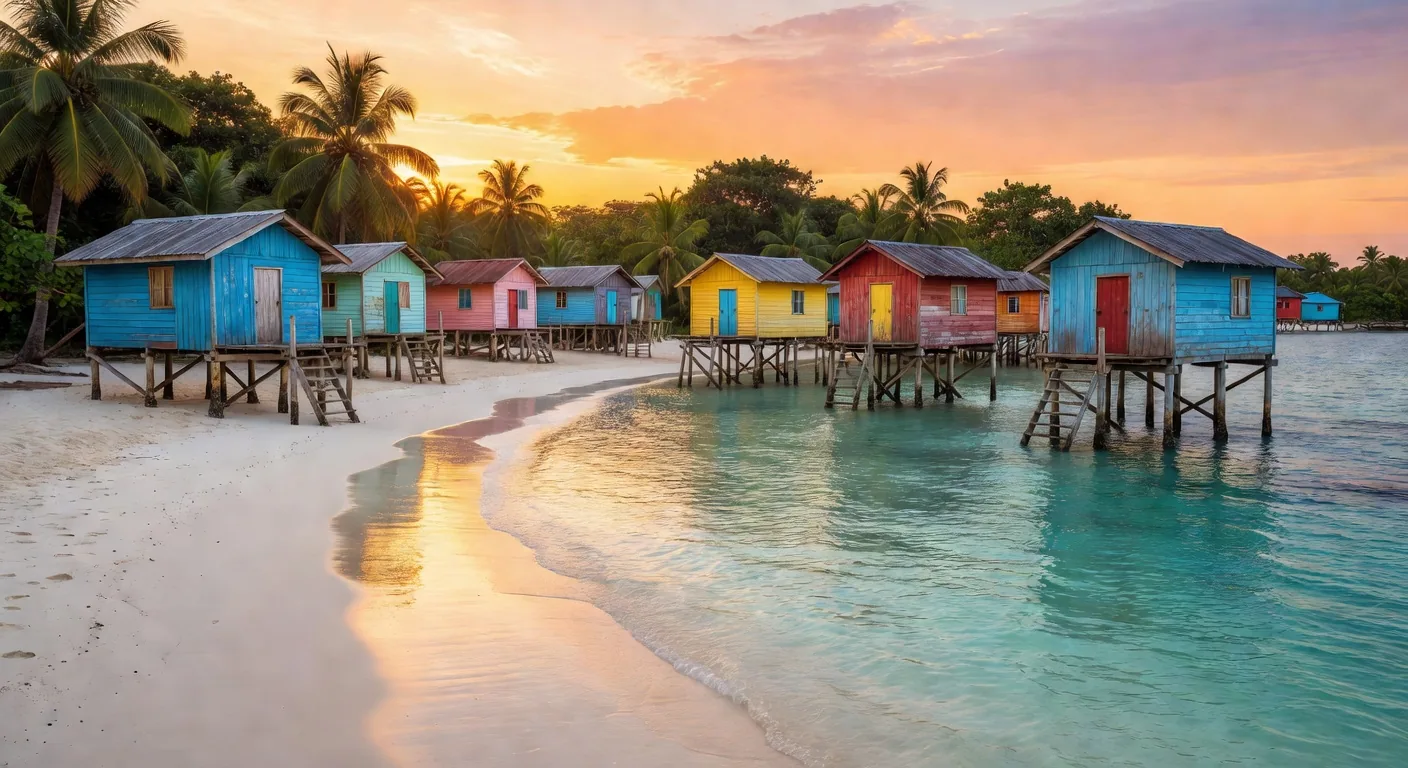
On the tiny island of Satawal, a handful of master navigators still teach traditional celestial wayfinding — reading stars, swells, and bird behavior to cross 500 miles of open Pacific without GPS.
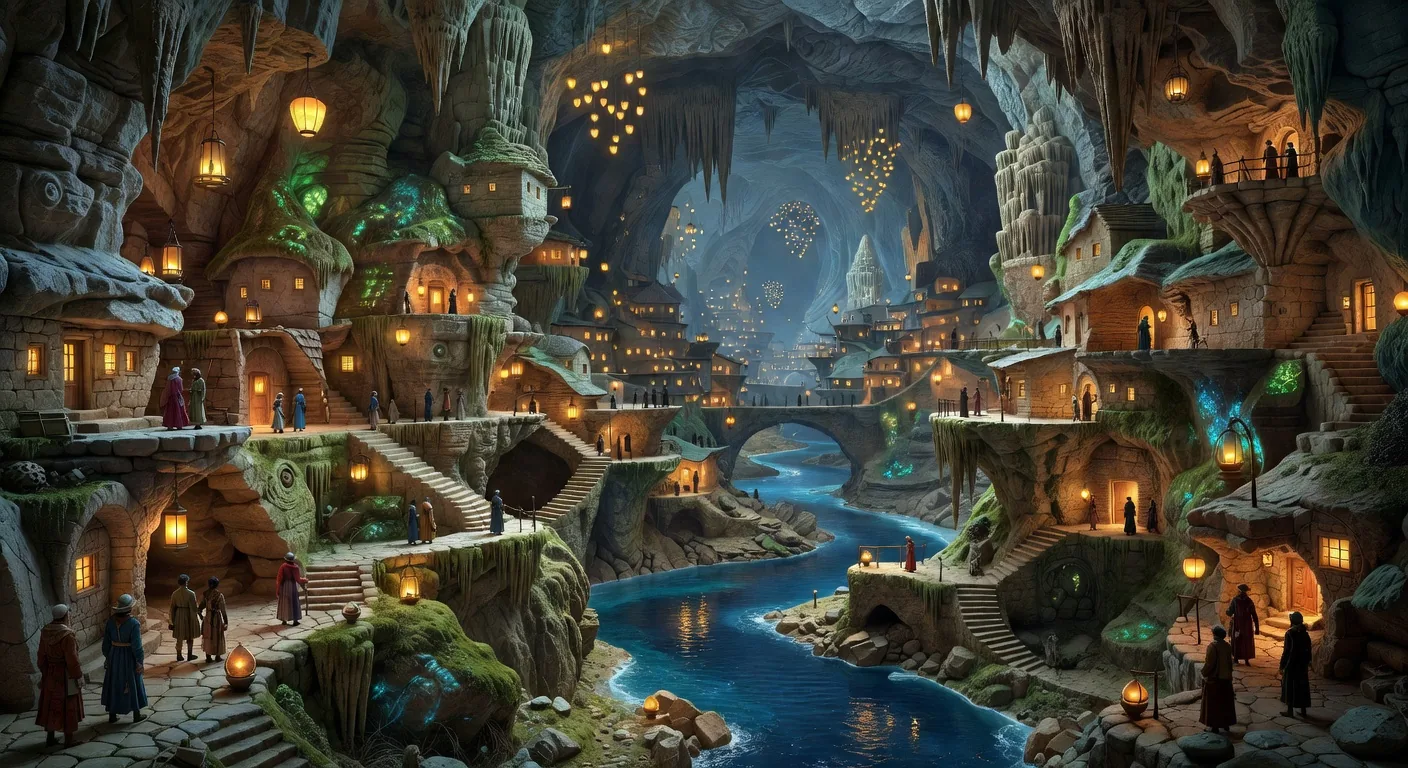
While Star Wars tourists photograph the exterior, a handful of families still actually inhabit these pit-dwelling homes dug into soft rock — and they'd like to remain undisturbed.
Puerto Rico's Puerto Mosquito is one of Earth's most spectacular natural wonders — and the local community has waged a decades-long fight to keep it dark, quiet, and alive.
How communities have shaped — and been shaped by — the structures they build over centuries.
Farming methods passed down through oral tradition, often more sustainable than modern alternatives.
Songs, storytelling, and ritual that carry entire civilizations of knowledge within them.
The language of pattern, dye, and weave — and what it communicates about identity and history.
Recipes, ingredients, and food rituals disappearing as younger generations leave villages for cities.
Plant knowledge accumulated over millennia — much of it still unrecognized by Western science.
"Every language that dies takes with it an entire universe of thought — a way of seeing the world that can never be recovered."